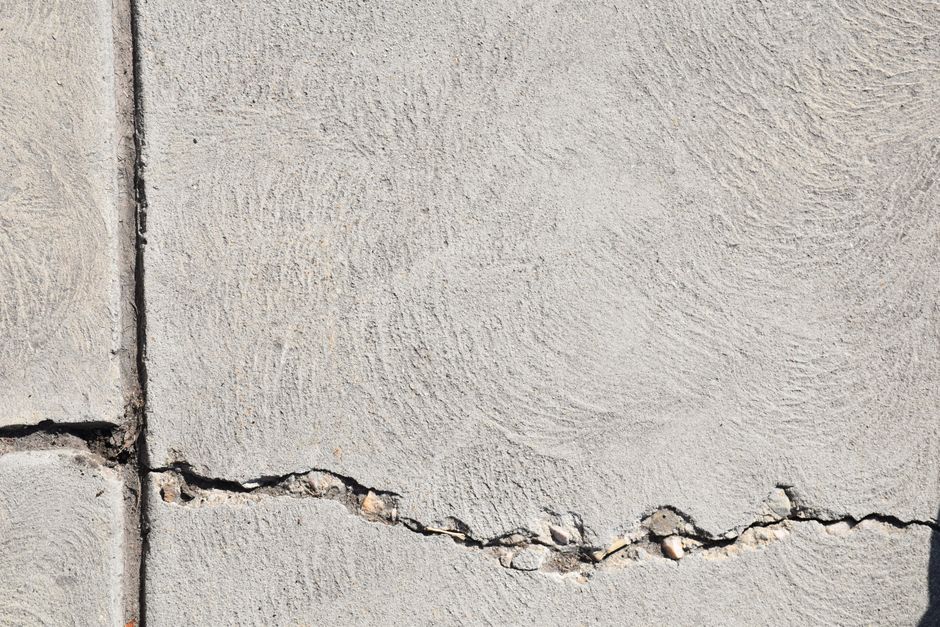
Foundation Crack Repair in Passaic, NJ
Foundation crack repair in Passaic, NJ addresses cracks in poured concrete or concrete block foundation walls that allow water to enter or indicate structural movement. Not every crack requires immediate repair, but certain cracks — particularly horizontal cracks in block walls — require prompt attention before the wall shifts further. The correct repair method depends on the type of crack, its location, whether it is stable or still moving, and whether it is actively passing water.
What Foundation Crack Repair Involves
Two primary methods are used depending on the crack type. Epoxy injection is used for structural cracks in poured concrete walls that are stable and dry. Epoxy fills the crack under pressure and bonds both sides together, restoring load-carrying capacity. This is the appropriate method for shrinkage cracks or minor settlement cracks where the wall is no longer moving. Polyurethane foam injection is used for cracks with active water intrusion. The foam expands on contact with moisture and seals the crack from the inside. It remains flexible, which allows it to accommodate minor future movement without re-opening. Block foundations with cracked mortar joints, bowed walls, or shifted blocks require a different approach — carbon fiber straps or wall anchors to stabilize the wall before any waterproofing work.
After crack repair, if your basement has ongoing drainage concerns from hydrostatic pressure, a full interior waterproofing system may be warranted. Most interior systems route water to a sump pump for discharge.
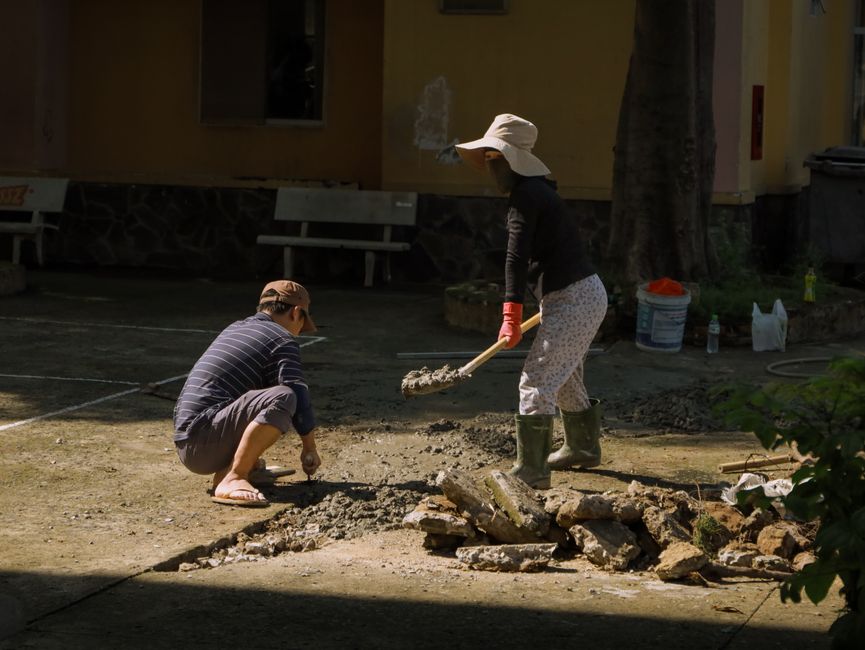
Signs Your Foundation Crack Needs Repair
Some cracks are cosmetic. These are not. According to the NJ Division of Codes and Standards, structural deficiencies in foundation walls can constitute a building code violation.
- A vertical crack in poured concrete with moisture staining or active seepage around it
- A diagonal crack from the corner of a window or door opening that has widened over time
- A horizontal crack in a block wall — indicates lateral soil pressure and is always structural
- Any crack where one side is visibly higher than the other (displacement)
- A crack that was previously sealed but is showing moisture again
- Multiple cracks appearing in the same wall section within a short time
When Crack Repair Is Not Necessary
Hairline cracks in poured concrete with no moisture, no staining, and no measurable width are usually normal shrinkage from when the concrete cured. A fine, stable crack that has not changed in years does not need injection. We will measure and photograph the crack at the inspection and tell you directly whether it warrants repair or monitoring. We do not inject cracks that do not need it.
What Affects the Cost
The length and depth of the crack determine how much injection material is used. Accessible cracks in unfinished basements are straightforward to repair. Cracks behind finished walls require limited demolition or, in some cases, exterior access. Structural repairs — carbon fiber straps, wall anchors, or pier systems — cost significantly more than simple crack injection because they involve more labor and hardware. The number of injection ports needed also varies with crack length and material type.
For permit requirements on structural foundation work in New Jersey, see the NJ Division of Codes and Standards.
Business Hours
- Mon–Fri
- 7:00 am – 6:00 pm
- Saturday
- 8:00 am – 2:00 pm
- Sunday
- Emergency calls only
Frequently Asked Questions
- How do I know if a crack is structural?
- Horizontal cracks in block walls are always structural. Diagonal cracks wider than a quarter inch or cracks with visible displacement — where one side sits higher than the other — also indicate structural movement. Vertical cracks in poured concrete are usually not structural, though they still need to be sealed if they are passing water.
- Will the crack come back after repair?
- Epoxy-injected cracks are bonded permanently. Polyurethane foam can be re-injected if the crack widens due to ongoing soil movement. Addressing the underlying cause — hydrostatic pressure or inadequate drainage — is what prevents the wall from developing new cracks over time.
- Does crack repair replace waterproofing?
- No. Crack repair addresses a specific, identified entry point. If your basement has water entry through multiple locations, crack repair is one part of a broader solution. We will be clear at the inspection about what the crack repair will and will not fix.
- What should I do while waiting for the repair?
- If water is actively entering through the crack, place a dehumidifier near the area and move stored items away from the affected wall. Do not apply surface sealers or hydraulic cement as a DIY fix before injection — these can interfere with the bonding of the injection material by sealing moisture inside the crack.
Get a Free Inspection
We will look at your basement, tell you what is causing the problem, and explain what it takes to fix it. No charge, no obligation.
(973) 319-7059Serving Passaic, Clifton, Paterson, Wayne, Pompton Lakes, and all of Passaic County