Basement Waterproofing
Interior and exterior waterproofing systems that stop water entry at the source — not just its effects.
Learn more →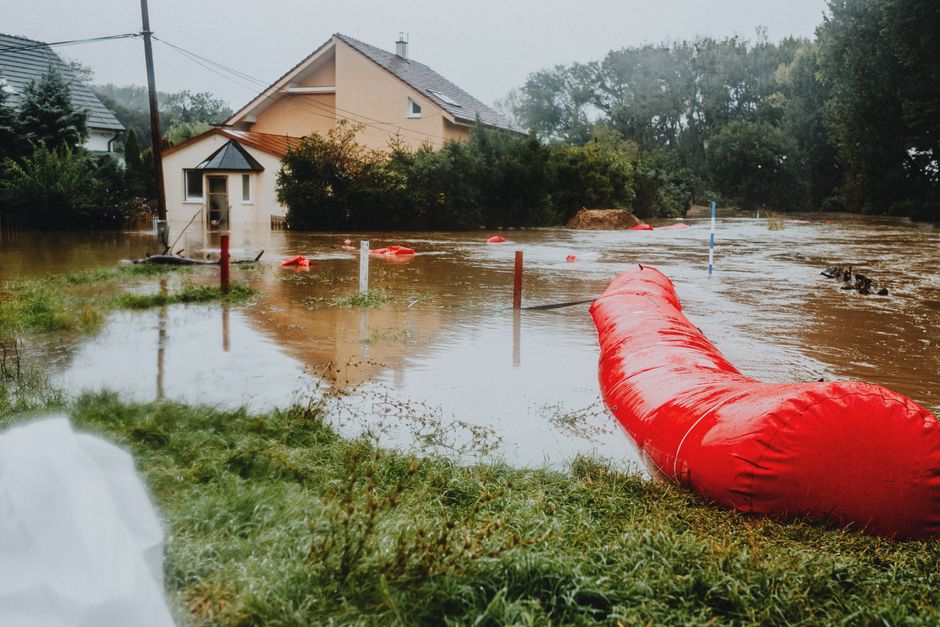
Water coming through your foundation walls, floor cracks, or window wells is a structural problem. We find the source and fix it — interior drainage, exterior membranes, crack injection, and sump pump systems throughout Passaic County.
Describe what you are seeing and we will get back to you within one business day. No charge, no obligation.
Waterproofing is not caulk over a crack or a coat of basement paint. The job involves identifying where water enters — whether through hydrostatic pressure, cracks in the poured concrete or block foundation, or through the floor — and then routing or blocking it before it reaches the interior.
Interior drainage systems collect water that enters and channel it to a sump pump. Exterior systems stop water from reaching the foundation wall at all. Most homes in Passaic need one or the other, and sometimes both. The right approach depends on where the water is coming from and how severe the entry is.
We inspect first. We will not recommend exterior excavation if an interior drain system handles the problem — excavation is expensive and disruptive. We will not recommend a full system if targeted crack injection is the correct fix.
If you see one of these, water is entering. If you see three or more, water has likely been entering for some time.
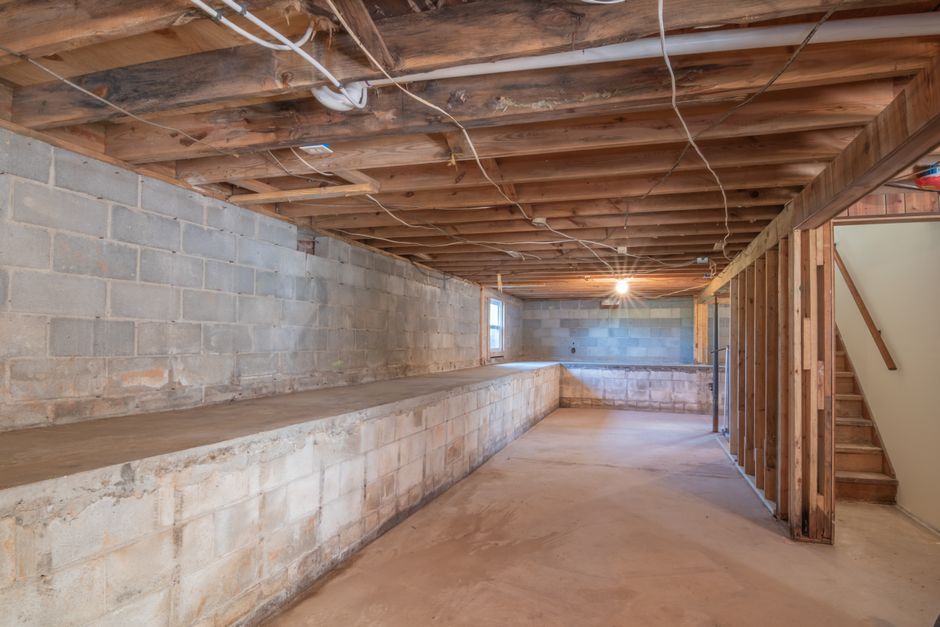
Passaic sits on heavy clay-dominant soil that holds water instead of draining it. When it rains — or when snow melts — that water does not move far. It saturates the soil against your foundation and pushes inward through any path it can find: wall cracks, floor-wall joints, window wells, or through porous block walls.
Homes built before the 1970s often lack any exterior waterproofing membrane or footer drain. As those homes settle over decades, cracks form. Hydrostatic pressure — the force of saturated soil pressing against the wall — exploits every gap it can find. This is not a failure of the home; it is the expected behavior of an older house on New Jersey clay.
If your house is older than 40 years and you have not had a wet-season inspection, you likely have water entry you have not yet identified. The damage accumulates slowly and becomes obvious only after the framing or slab is already compromised.
Each service targets a specific cause of water intrusion. We assess which applies to your basement before recommending anything.
Interior and exterior waterproofing systems that stop water entry at the source — not just its effects.
Learn more →Epoxy injection for stable cracks, polyurethane for active leaks, and full-wall repair for block foundations.
Learn more →New sump pump systems, battery backup units, and replacement of failing pumps before the next heavy rain.
Learn more →Installed dehumidifiers sized for basement conditions, connected to a permanent drain — no buckets, no monitoring.
Learn more →If your basement has minor condensation that only appears in summer on cold pipes or walls, you may not need waterproofing — you may need a basement dehumidifier. Condensation forms when warm, humid air hits a cold surface and is different from water intrusion through the foundation.
If you have one hairline crack in poured concrete with no active moisture or staining around it, that crack may be cosmetic settling and may not need immediate treatment. A free inspection will tell you which situation you are in.
We will not recommend work you do not need. If the issue is cosmetic or manageable without intervention, we will say so at the inspection — and you will owe us nothing.
There is no standard price because every basement is different. The factors that drive the estimate:
We work with homeowners across Passaic County, NJ. If your town is not listed, call us — we cover the full county.
For homeowners considering interior waterproofing, the EPA guidance on mold and moisture control explains why moisture management is a health issue, not just a structural one. The NWS climate data for Passaic shows the precipitation patterns that make basement waterproofing a practical necessity in this region. If you are in Bergen County, basement waterproofing is also available from our team in Fort Lee.
Business Hours
We will tell you what is causing the problem and what it takes to fix it — no charge, no pressure, no obligation.
(973) 319-7059